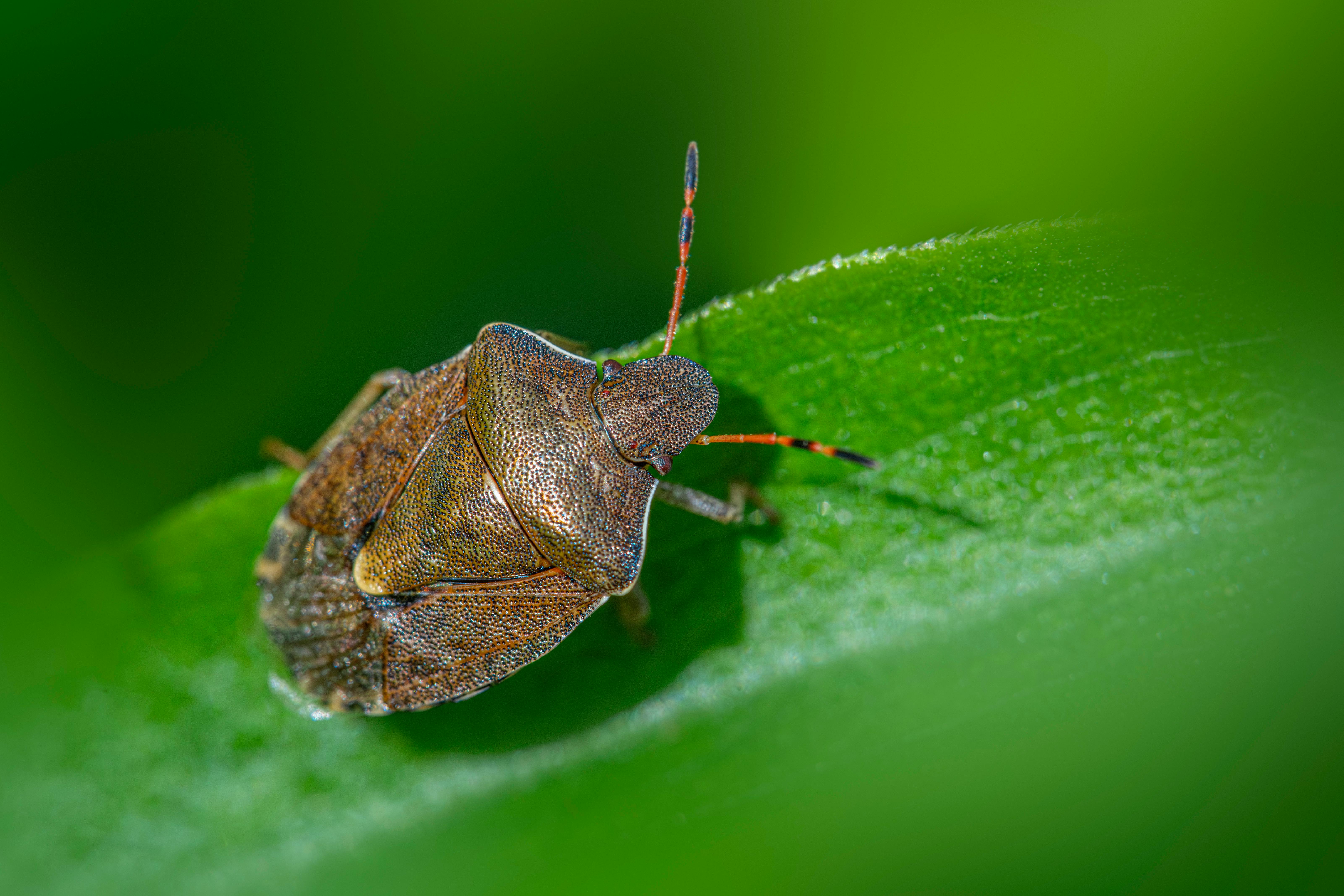
Of all the problems a lawn can face in Western New York, grub damage is one of the most frustrating — not because it's hard to treat, but because by the time most homeowners notice it, the damage is already done. We see it every fall: lawns that looked great in July start dying back in irregular patches in August and September, and by October the turf lifts off the ground like a rug. Classic white grub feeding damage.
The good news is it's almost entirely preventable. The key is understanding when to apply, and why the timing matters more than the product.
Understanding the Grub Life Cycle in Erie County
The grubs causing damage to most Western New York lawns are the larvae of Japanese beetles, European chafers, and Oriental beetles. While the adult beetles are active and visible in summer, it's the larvae living 2-4 inches below the soil surface that do the actual damage — feeding on grass roots from mid-July through October.
The life cycle goes like this: adult beetles lay eggs in lawn soil in late June through July. Those eggs hatch into young grubs in late July through August. The newly hatched grubs feed aggressively near the surface through September and into early October before burrowing deeper to overwinter. Root damage is most severe during that August–September feeding window, which is also when you're most likely to see browning and turf that pulls up easily.
GrubEx: Apply Mid-June to Early July
Scotts GrubEx Season-Long Grub Killer is a preventive grub control product, not a curative one. The active ingredient (chlorantraniliprole) works by killing young grubs shortly after they hatch from eggs — it does not effectively kill large, established grubs from a previous season.
This is why timing is the entire game. You need to apply GrubEx before the eggs hatch, so the product is already in the soil when the grubs arrive. Our target window for Erie County lawns:
- Ideal application: Mid-June to early July — before adult beetles peak and before eggs begin hatching
- Latest effective application: Mid-July — after this point, a curative product (like Dylox) is more appropriate if you're seeing active damage
One important step: water GrubEx in within 24-48 hours of application. The product needs to move down into the root zone to be effective. About a half-inch of rain or irrigation is enough. Do not apply before a heavy rainstorm that could wash it off the lawn before it activates.
One application provides season-long protection through the entire grub feeding cycle.
Triazicide: Surface Insect Control When You Need It
Spectracide Triazicide Insect Killer for Lawns (gamma-cyhalothrin) handles a completely different set of pests — the ones living on or near the soil surface rather than deep in the root zone. This includes:
- Sod webworms — larvae that chew grass blades at the crown, creating dry, patchy areas that look like drought stress
- Chinch bugs — common in sunny, dry areas; they pierce grass stems and inject a toxin that kills the plant
- Armyworms — occasional but destructive when they move through in numbers
- Surface ants and other crawling insects — including ticks in areas adjacent to wooded buffers
When to apply Triazicide in Western New York: Unlike GrubEx, Triazicide is primarily a reactive treatment. Apply when you begin to see signs of surface insect activity — small, irregularly shaped brown patches that don't correspond to drought patterns, or when you physically see insects in the thatch layer after soaking a small area with soapy water (this is called an "irritation drench" and brings insects to the surface).
In Erie County, the most common application windows are:
- Mid-July through August: For sod webworm and chinch bug pressure during peak summer heat
- Late August through September: For armyworm activity if it occurs in your area
Triazicide is fast-acting (works within hours) and provides residual control for up to three months on the surface. Apply in the evening when possible, as the active ingredient can break down faster under direct midday sun.
What Happens If You Skip It
Not every lawn needs grub control every year. If you've never had significant grub damage and your yard isn't adjacent to areas with heavy Japanese beetle activity (wooded edges, gardens with roses or linden trees), you may be fine skipping a season. But lawns that have had grub damage before are at higher risk in subsequent years, because the same conditions that attracted beetles once will attract them again.
Have questions about what your lawn might need? Call or text (716) 393-9597 — we're happy to walk through what we're seeing in your neighborhood and what we'd recommend for your specific yard.
Ready for a better-looking lawn?
Full-service mowing, edging, trimming & cleanup — flat $65.